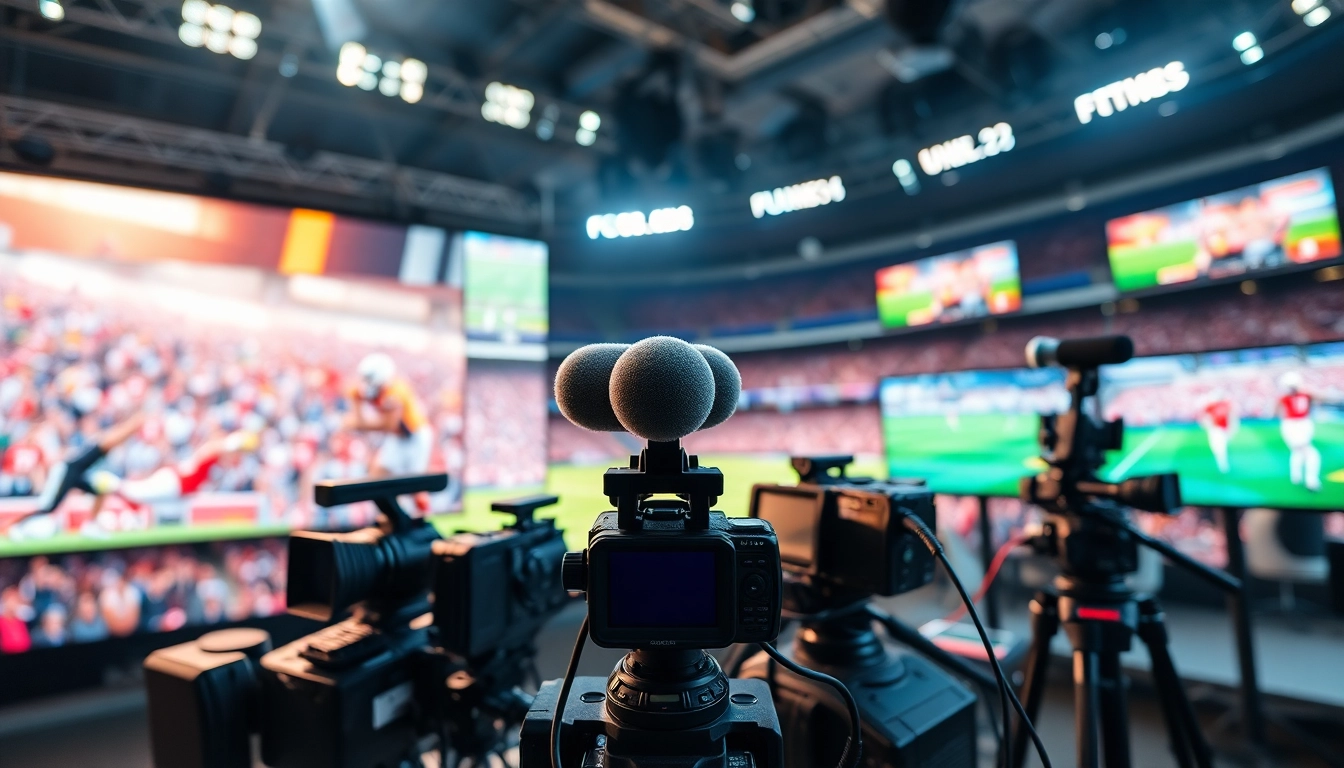
Introduction to Sports Broadcasting
Sports broadcasting has undergone a significant transformation in recent years, fueled by advancements in technology and changing viewer preferences. From radio broadcasts of the early 20th century to today’s immersive live streaming experiences, the evolution of this industry is a testament to its importance in today’s media landscape. Sports Broadcasting has become both a passion and an essential part of everyday life for fans around the globe. As we delve deeper into this world, we’ll explore the various components that contribute to its growth and success.
Overview of Sports Broadcasting
At its core, sports broadcasting is the dissemination of sports content through various media channels, including television, radio, and online platforms. This industry encompasses the live broadcast of sporting events, pre- and post-game shows, commentary, analysis, and highlight packages. It serves not just to inform but also to entertain audiences who passionately follow their favorite teams and athletes.
The landscape of sports broadcasting is continuously evolving, thanks to technological advancements and an increase in competition among broadcasting networks. The rise of digital platforms and streaming services has created new opportunities for broadcasters to reach audiences in innovative ways, such as on-demand viewing and personalized content experiences.
Importance of Technology
Technology plays a cornerstone role in the evolution of sports broadcasting. Innovations such as high-definition video, multi-camera angles, augmented reality (AR), and virtual reality (VR) have drastically enhanced viewer experience. Broadcasters not only prioritize high-quality visuals and sound but also integrate advanced graphics and statistics to provide rich, immersive viewing experiences. The application of artificial intelligence (AI) and machine learning algorithms in data analytics has allowed broadcasters to fine-tune content delivery, engage viewers more effectively, and even predict game outcomes or player performance.
Current Market Trends
The sports broadcasting landscape is shaped by several key trends. One of the most notable is the increasing prominence of streaming services. Consumers have shifted away from traditional cable subscriptions in favor of flexible, on-demand content access. Furthermore, social media platforms have emerged as new channels for sports content, enabling fans to engage and interact in real time. As advertisers follow audience movement, there has been a significant growth in branded content and sponsored segments within broadcasts to capture viewer attention. Additionally, the globalization of sports, aided by digital platforms, has allowed smaller leagues and emerging sports to reach wider audiences, diversifying the sports broadcasting portfolio.
Types of Sports Broadcasting
Live Streaming vs. Traditional Broadcast
Live streaming and traditional broadcasting represent two distinct approaches to delivering sports content. Traditional broadcasting, typically delivered via radio and cable television, relies on scheduled programming and is hampered by geographical limitations. In contrast, live streaming enables real-time access to content from any location with internet connectivity. Live streaming platforms encourage interactivity with features such as instant polling, real-time comments, and on-demand replays, making viewers feel more engaged with the experience.
While traditional broadcasting often prioritizes high production values, live streaming offers a level of accessibility and audience engagement that appeals to younger generations accustomed to instant, personalized content. The coexistence of these two models illustrates the industry’s adaptability and commitment to meeting consumer preferences.
Sports Broadcasting Platforms
Sports broadcasting platforms span a range of mediums, from traditional television networks to dedicated streaming services and social media. Major sports networks have established significant infrastructures, enabling them to offer comprehensive programming that includes live game coverage, analysis, and commentary. On the other hand, platforms like YouTube, Amazon Prime Video, and Twitch have begun to capture audience share by offering exclusive sports content and engaging formats tailored to younger viewers.
By leveraging these platforms, broadcasters can capitalize on the trend of “cord-cutting,” as more viewers drop cable subscriptions in favor of streaming services. Moreover, partnerships between teams and platforms such as Twitch or Facebook Live have opened up new avenues for delivering diverse sports content, fostering community interaction, and enhancing fan experiences.
Interactive Features and Engagement
To enhance engagement and viewer interaction, many sports broadcasters have embraced cutting-edge interactive features. These can include live polls during games, options to choose camera angles, and augmented reality overlays that add depth to the viewing experience. An essential aspect of this interactivity is the incorporation of social media, where viewers can share their opinions or react to live events in real time.
Biometric data and player statistics can be integrated into broadcasts to provide insights, catering to hardcore fans as they appreciate detailed analytics. By using these interactive elements, sports broadcasters foster a community atmosphere, inviting viewers to participate and connect with each other regarding their shared passion for sports.
Challenges in Sports Broadcasting
Regulatory Issues
The sports broadcasting industry faces various regulatory challenges that can impact operations. Licensing agreements, copyright law, and broadcast rights issues often dictate what content can be aired and where. Furthermore, differencing regulations across regions complicate the landscape for broadcasters attempting to globalize their reach. Navigating these legal complexities requires careful planning and an understanding of local laws to avoid infringement and ensure compliance.
Technological Constraints
While technology has advanced sports broadcasting, it also presents unique constraints. High production costs for advanced technology, equipment maintenance, and infrastructure investments can hinder smaller broadcasters or new entrants in the market. The reliance on stable internet connections for live streaming can also pose difficulties in certain areas, leading to potential viewer dissatisfaction due to buffering or poor-quality streams.
Moreover, keeping up with rapidly changing technology trends means broadcasters must consistently invest in new tools and training for staff to remain competitive and relevant. Failing to adapt could lead to outdated broadcasting practices and decreased viewer engagement.
Viewership Competition
With an influx of content available from various platforms, competition for viewers has never been fiercer. Broadcasters must not only compete against each other but also against non-sports content, such as movies, series, and social media platforms. Additionally, viewers’ expectations for high-quality, engaging content continue to rise, placing continuous pressure on sports broadcasters to innovate and differentiate themselves.
Effective strategies for retaining viewers include offering unique content, personalized experiences, and enhanced interaction. Establishing brand loyalty among audiences can help mitigate the challenges posed by competition, but it requires dedication and a clear understanding of audience needs.
Best Practices for Effective Sports Broadcasting
Content Planning and Strategy
A well-structured content plan is vital for successful sports broadcasting. Broadcasters should analyze audience preferences, identify peak viewing times, and create compelling narratives around sports events. Incorporating unique angles, such as behind-the-scenes footage or interviews with players and coaches, can further enrich the content and appeal to diverse audience interests.
Collaboration with teams, players, and influencers can also enhance content quality and depth, providing fans with exclusive insights and building stronger community ties. Regular feedback loops with viewers can guide content evolution, ensuring broadcasters meet changing preferences and expectations.
Enhancing Viewer Engagement
To foster engagement, it’s crucial to employ dynamic storytelling techniques. Utilize high-quality visuals, step-by-step narratives, and emotional highlights to create relatable and memorable experiences. Engaging viewers often involves a balance between informative commentary and entertainment, keeping audiences invested from start to finish.
Live chats, social media interactions, and post-game analysis can further encourage viewer participation. The goal should be to create a two-way communication channel, not just a one-way broadcast. Engaging with the audience builds a sense of community, encouraging them to return for future broadcasts.
Utilizing Data Analytics
Data analytics play a critical role in understanding viewer preferences and behaviors. By collecting and analyzing viewer data, broadcasters can tailor content to individual audience segments, ensuring a more personalized viewing experience. This includes analyzing viewer demographics, preferences, and engagement levels during broadcasts.
Implementing tools that track viewer interactions, such as engagement during live events or interests in specific players or teams, can provide valuable feedback. This data-driven approach aids broadcasters in refining content strategy, identifying opportunities for growth, and improving overall performance metrics.
The Future of Sports Broadcasting
Emerging Technologies
The future of sports broadcasting lies in the integration of emerging technologies that promise to enhance viewer experiences. Innovations such as 5G networks will provide faster, high-quality streaming without interruptions, paving the way for more interactive and immersive broadcasts. Technologies like AI-driven commentary or VR experiences will allow fans to engage with games like never before, facilitating a more personal connection with teams and players.
Wearable technology in sports teams can offer viewers real-time biometrics and performance analytics, creating more insightful broadcasts and enabling fans to appreciate athletes’ efforts deeply. Augmented reality features can also enhance game experiences, making broadcasts more engaging and interactive.
Predicting Audience Trends
As audience expectations evolve, so too must broadcasting strategies. Understanding demographic trends, cultural shifts, and content consumption habits will be paramount in predicting future audience desires. Emphasizing personalization, for example, can cater to younger audiences who value individualized experiences over traditional broadcasting formats.
Broadcasters will also need to explore innovative content formats such as short-form videos, interactive broadcasts, and mixed media formats, focusing on providing value to viewers in ways they prefer to consume content. Keeping a pulse on developments within the sports and entertainment landscapes will aid broadcasters in staying relevant and appealing.
Adapting to Changing Viewer Preferences
Adapting to changing viewer preferences requires a proactive approach. This involves embracing feedback and being willing to pivot strategies in response to audience demands. Conducting regular surveys and engaging in social media listening can provide insights into viewer sentiments and interests.
Furthermore, maintaining flexibility in programming and willing to experiment with novel content ideas can foster creativity and innovation. As younger generations continue to influence content consumption habits, embracing these changes will be crucial for broadcasters to remain competitive and continuously meet viewer needs.
FAQs
What is the significance of technology in Sports Broadcasting?
Technology enhances viewer experience through high-quality visuals and innovative storytelling. It also enables interactive features and real-time analytics for deeper audience engagement.
How do live streaming and traditional broadcasting differ?
Live streaming offers flexibility and interactivity, while traditional broadcasting provides scheduled programming. Each has its own strengths in catering to viewer preferences.
What are some common challenges in Sports Broadcasting?
Challenges include regulatory compliance, technological limitations, and fierce competition for viewers. Addressing these issues requires strategic planning and innovation.
What best practices should be followed in Sports Broadcasting?
Effective planning, audience engagement, and data analysis are key to successful Sports Broadcasting. Tailoring content to audience preferences fosters loyalty and viewership.
What does the future hold for Sports Broadcasting?
Expect more advanced technology, personalized experiences, and dynamic content formats. The integration of emerging technologies will transform how fans engage with sports.